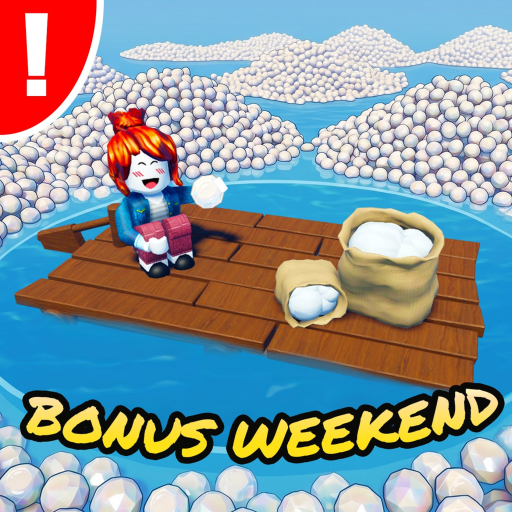
A strong first session is less about rushing every island and more about staying alive long enough to learn what each action costs.
- Spend the opening minutes on visible supplies and low-risk objectives.
- Avoid long sea pushes until you know how quickly your run drains resources.
- Use short return trips to learn which upgrades actually help survival.
Codes, rewards, and update notes move quickly. Treat public tracker claims as leads until the live game or an official source confirms the exact wording.
- Check the codes page before assuming a reward is active.
- Use the updates page when a guide mentions a new island, region, or feature.
- Keep old video advice in context because Roblox experiences can change quickly.
The best next page depends on the problem: codes for rewards, guides for survival pathing, tier list for priorities, and wiki for source-backed terms.
- If you keep failing early, read the beginner guide.
- If you survive but stall, use the survival strategy page.
- If a term is unclear, check the wiki and source status pages.